How the idea for PakPruvo came about
A corrugated maker asked for QR codes; it turned into a platform for the PPWR – the founding story.
How it started
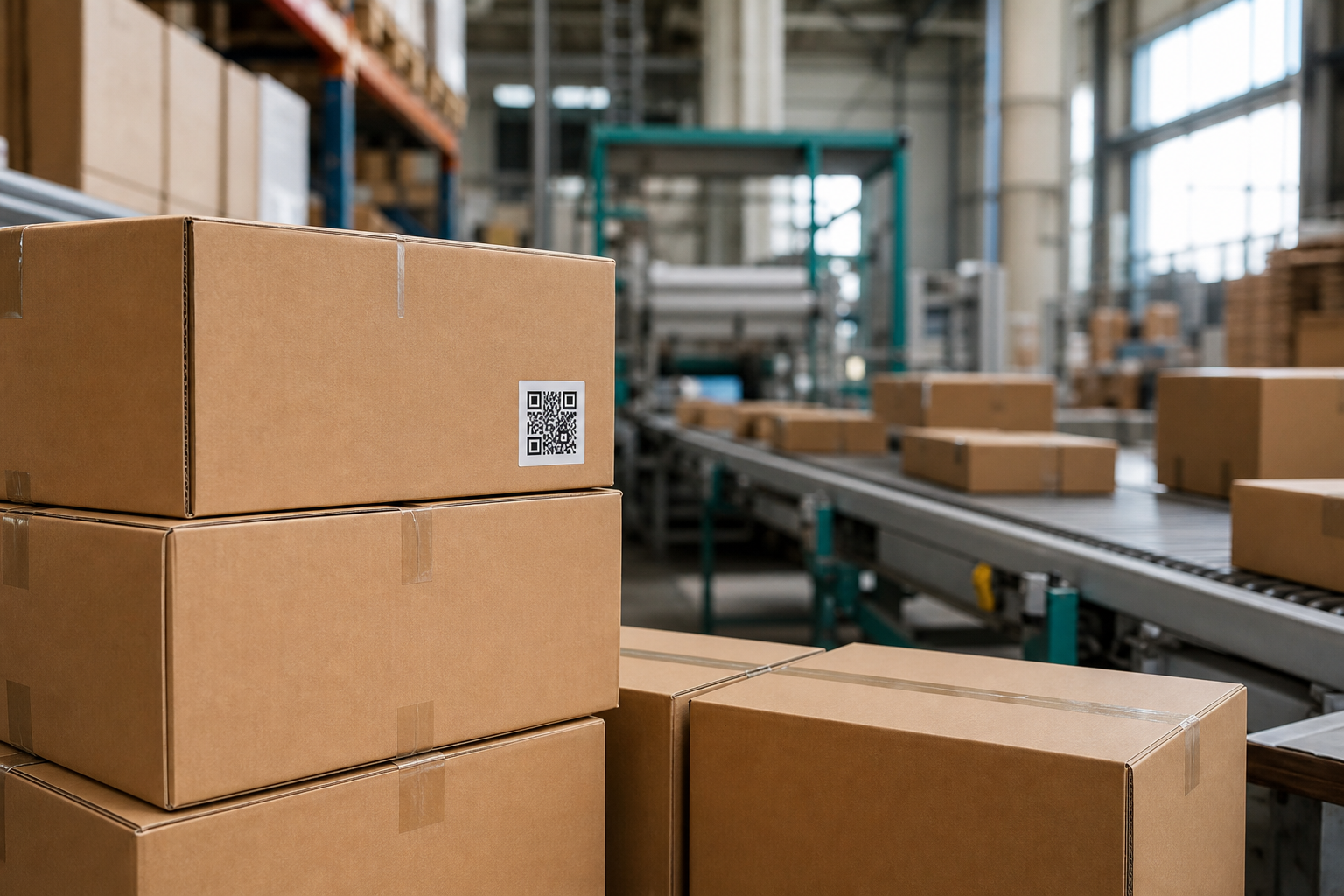
A corrugated packaging manufacturer we have worked with for decades reached out to us: he would soon be legally required to mark his boxes with a QR code and wanted a platform on which he could create such codes.
His vision was clear: the data should come from his own system and be transferred to the platform. The software should present public product information on a website and create QR codes that lead to that information, so he could print them directly onto the packaging.
At first only basic manufacturer details would be shown, but later steps would add increasingly detailed product information.
There was to be no public catalogue of his products, and links to product information should not be easy to guess, for example through sequential numbering in the URL.
From a special request to a regulation
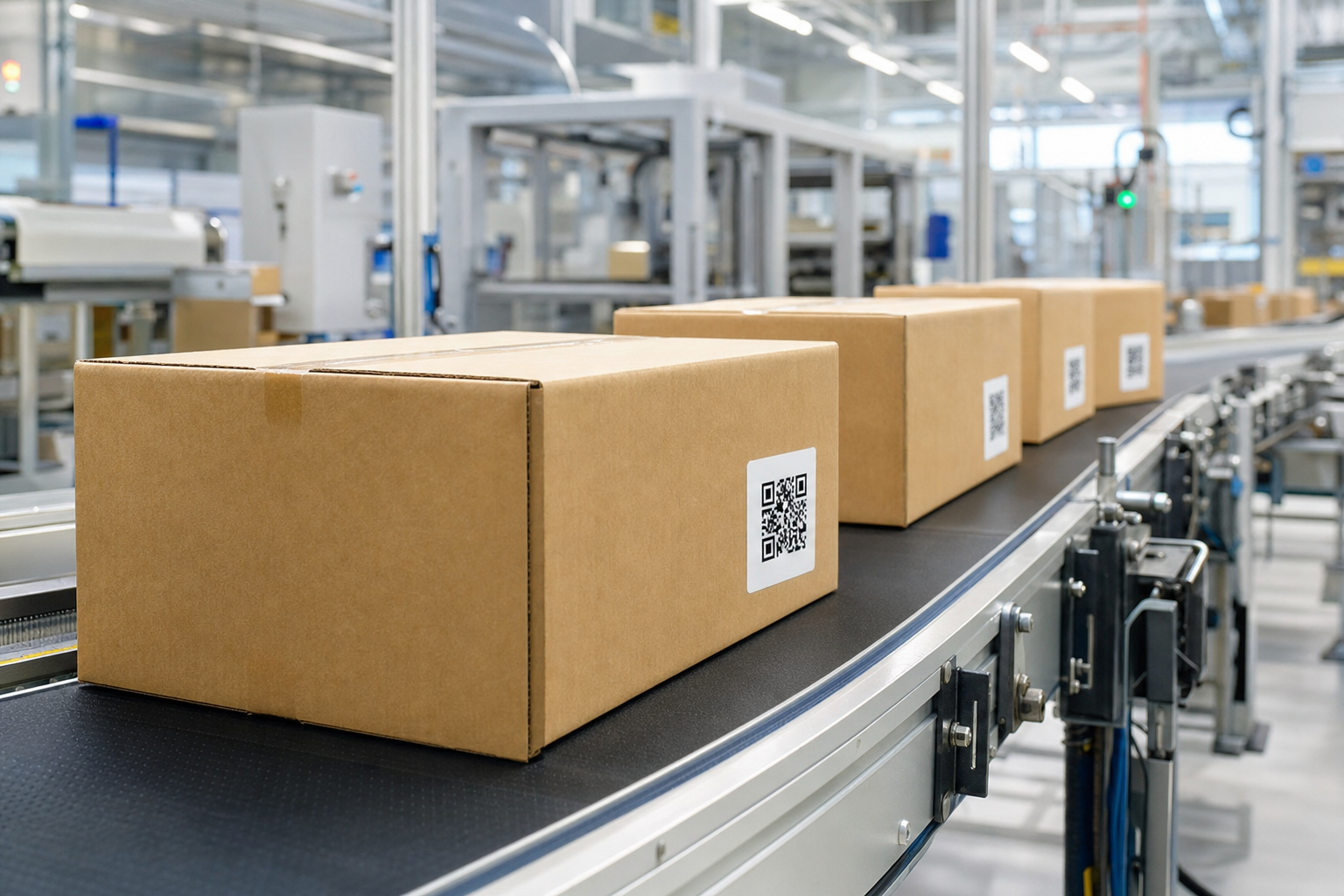
We first offered him a product tailored precisely to his requirements. But we quickly realised that something much bigger lay behind this single customer request: the new EU Packaging and Packaging Waste Regulation, the PPWR.
It affects not just one business but every company that places packaging on the market, and it forces the entire industry to act. So a single customer request became the idea for a platform serving many.
PakPruvo: A framework, not a finished rulebook
As we looked more closely at the legal requirements, one thing became clear fast: the legislation initially only sets out a framework. Much is still open and will only take shape over the years.
That led to a fundamental insight: we cannot build a one-off finished product. PakPruvo must grow dynamically with the legislation and implement changes as soon as they are settled.
Three manufacturer types, one system
Engaging with real-world practice made it clear that we cannot assume a single type of manufacturer. We quickly identified at least three types, each with slightly different requirements. We can add more when needed.
Consumer products
Makers of classic products for end customers, whose packaging goes to retail together with the product.
Shippers
Businesses that pack and ship goods, and therefore use transport packaging only.
Empty packaging
Makers of packaging that does not yet contain a product, such as corrugated boxes for downstream businesses.
Flexibility as a core principle
A simple example shows how dynamic this field is: as of early July 2026 the EU Commission has not yet finalised the disposal pictograms, which is why we cannot yet integrate them into PakPruvo.
That is exactly why PakPruvo is built to be highly flexible from the ground up. Requirements from regulators and customers must be possible to integrate, and as quickly as possible.
Why PakPruvo, and why the name was hard to find
We considered various names for the platform and first thought of building blocks like PackInfo or PPWR. That seemed obvious, because the platform addresses exactly that regulation. Both quickly turned out to be dead ends: they are already in commercial use and are barely protectable as plain word marks.
A saturated naming space
The longer we researched, the clearer the pattern became: anything that carries packaging and conformity in the name is long since taken in the compliance and packaging space.
Ideally a name should cover three things at once: hint at the product, be available, and remain protectable as a trademark.
But that was exactly the challenge: the more descriptive the name, the more likely it is either too generic to protect or already claimed.
The Esperanto path
The breakthrough came from an unusual approach: Esperanto. The language is pan-European and neutral, it does not sound like any single national language, and words drawn from it tend to be seen as distinctive for trademark purposes. The roots are Latin/Romance; EU customers can often guess the meaning.
Building blocks that mattered for our product:
| Esperanto | Meaning |
|---|---|
| pako | package, packaging |
| atesto | attestation, certificate |
| pruvo | proof, evidence |
| provo | test, trial |
| deklaro | declaration |
Why PakPruvo
We settled on PakPruvo: pako + pruvo = packaging proof. That hits the core of our platform: prove conformity, issue declarations, provide evidence at the product. Compared with provo (test), pruvo stresses proof: closer to the declaration of conformity and the auditable evidence manufacturers need.
In the logo we split Pak and Pruvo; the name stays a coined word, but the meaning is traceable for anyone curious.
As a small treat we offer Esperanto as a UI language, not for PPWR documents, but as a fond nod to the naming process and to Ludwik Zamenhof, who created the language.